
at a glance
Presented by the Gestão e Consultoria em Meio Ambiente, Turismo e Logística de Transporte, the study Capela de São Gonçalo do Amarante construida em 1625 - Engenho do Camorim (The São Gonçalo do Amarante Chapel, constructed in 1625 - Camorim Ingenuity) states that during the past four century, the barra de tijuca area has appeared to be isolated and immune to the urban growth of rio de janeiro - as a matter of fact, this region has always been an area of cultivation, cattle farming, and activities such as hunting, fishing and leisure, historic documents show that in reality, since the early years of exploration of the rio de janeiro region by the portuguese, all of Baixada de Jacarepaguá, including barra de tijuca, was an area well known and valued by the colonizers.
The occupation during this early period, corresponding to the 17th and 18th centuries, illustrates the general tendency of the first forms of exploration of the country - large allotments, farms and mills were progressively fractioned off for sale, donations, inheritance and rent.
Once the coastal plains and concaves were occupied, interest in the lands on the periferal parts of the city increased, raising the occupation levels of Jacarepaguá, to the west of rio, and further north of the land between the area of Pedra Branca and Gericinó, which coincide with the known neighborhoods of bangu, campo grande, Paciência and Santa Cruz.

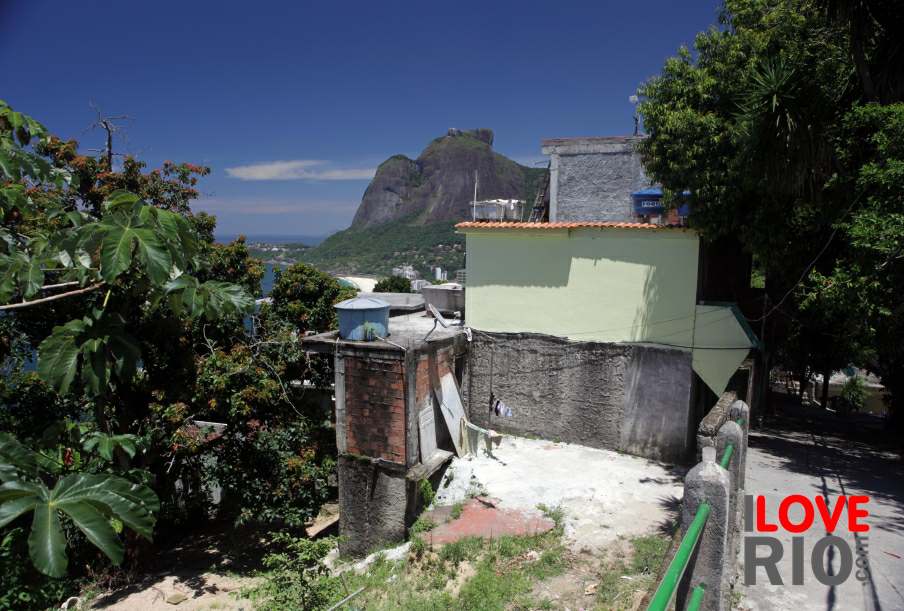

zona oeste